Freedom Needs Form
Why structure doesn’t limit you, it supports you

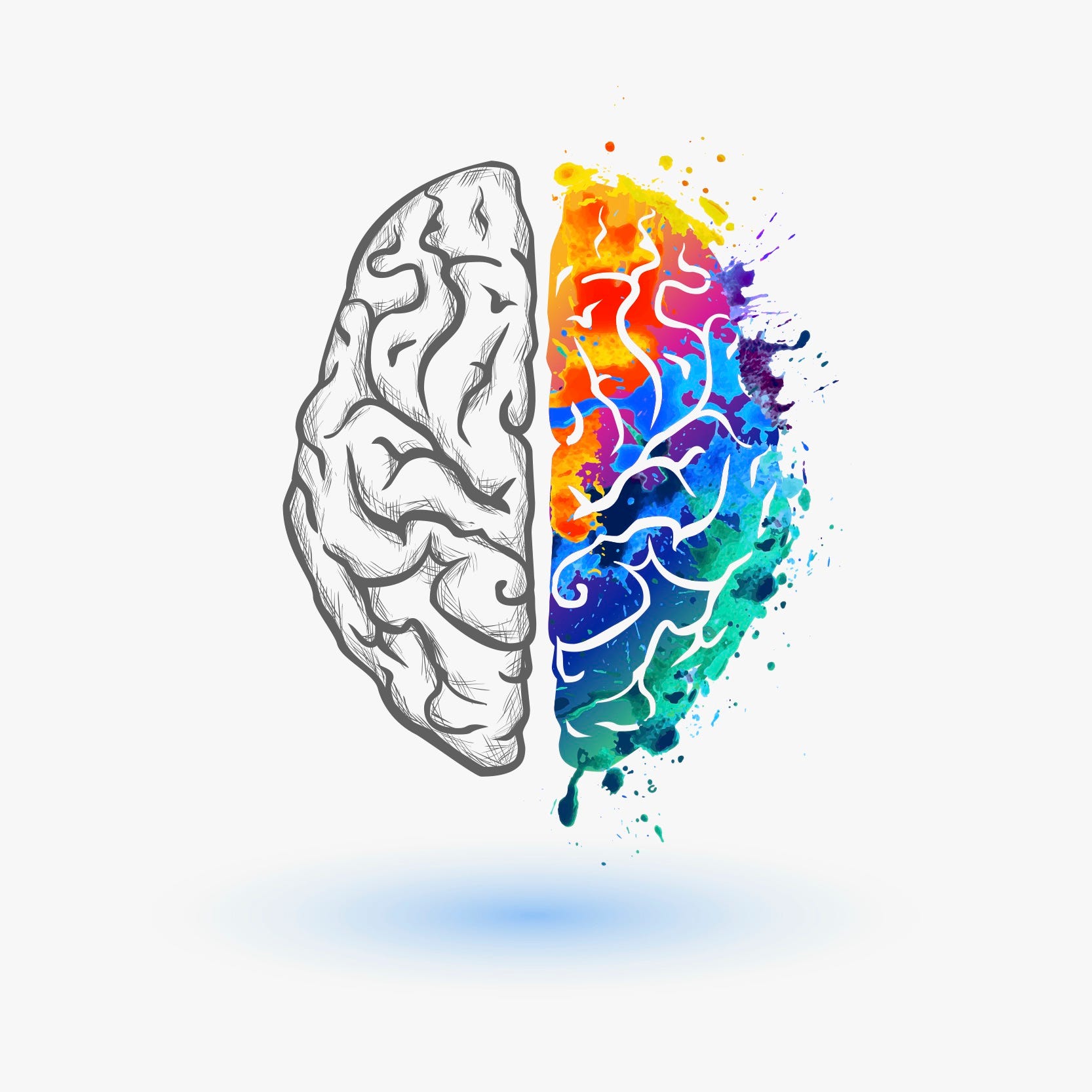
We tend to imagine freedom as the absence of rules.
No schedules.
No constraints.
No structure telling us what to do.
But total openness doesn’t feel freeing for long, it often feels scattered, overwhelming, or heavy.
That’s because the human mind doesn’t thrive in endless choice, it needs shape.
Freedom isn’t the lack of form, it’s the presence of the right one.
(30% Recalibration Offer -Access is open briefly for those ready to build steadier mental discipline.)
The Core Idea
Your brain is a pattern-seeking system.
When everything is possible, nothing is prioritized.
And when nothing is prioritized, energy leaks.
Form gives direction to attention.
It tells your mind where to rest and where to move.
This is why:
routines create relief
boundaries reduce anxiety
simple rules make hard things easier
Structure doesn’t restrict freedom.
It contains it.
Why We Resist Form
Form can feel limiting because it removes ambiguity.
Once you choose a structure, you also choose what not to do.
And that can feel like loss.
But unlimited freedom keeps you in decision mode, a constant drain on mental energy.
What feels like “flexibility” often becomes fatigue.
The mind relaxes when it knows the edges.
The Shift
Instead of asking,
“How do I feel more free?”
Try asking,
“What structure would make this lighter?”
Not stricter.
Not perfect.
Just supportive.
Freedom expands when the brain stops negotiating every step.
A Simple Practice
Pick one area of your life that feels chaotic or draining.
Add one form:
a time boundary
a simple rule
a defined starting point
a clear ending
Then notice how your energy changes.
Form isn’t control, it’s clarity.
Conclusion
Freedom doesn’t live in endless openness.
It lives in rhythm.
In boundaries that protect energy.
In structures that make choice unnecessary.
The paradox is simple:
the more supportive the form, the freer the experience.
You don’t lose freedom when you add structure.
You finally give it somewhere to exist.